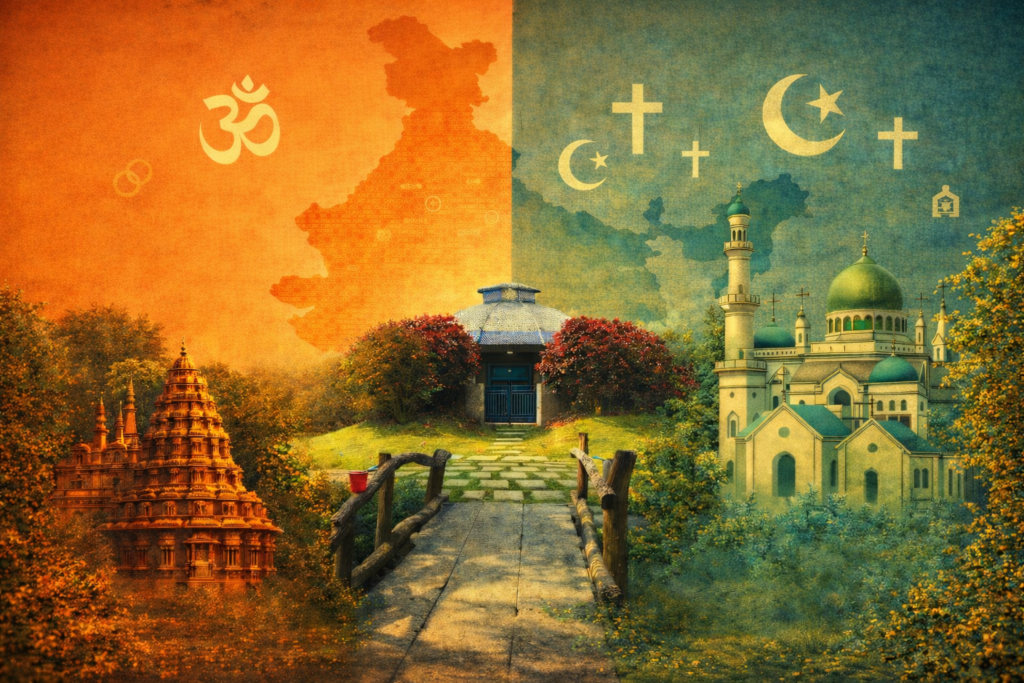
Interfaith Study Program
International
Interreligious Study Program
An international programme exploring religion, dialogue, and society in a pluralistic world.
International Interfaith Study Program
Our world has undergone profound changes in recent decades. Globalisation and economic integration have brought cultures and religions closer together geographically, yet significant internal differences remain. As a result, the ability to engage in intercultural dialogue has become an essential professional qualification—especially for theologians, deacons, and those involved in religious education.
HMI aims to equip students with this important expertise. A key element of this approach is fostering personal encounters with local communities within their unique religious and cultural contexts. Experiencing diverse perspectives firsthand not only deepens intercultural understanding but also encourages individuals to reflect more critically on their own cultural identity and faith.
Study in India
Undergraduate and postgraduate students have the opportunity to enrol in a vibrant six-month Interfaith Study Programme at the internationally renowned Henry Martyn Institute in Hyderabad. The programme is designed to deepen participants’ understanding of their own cultural and religious contexts while fostering meaningful interfaith and intercultural learning.
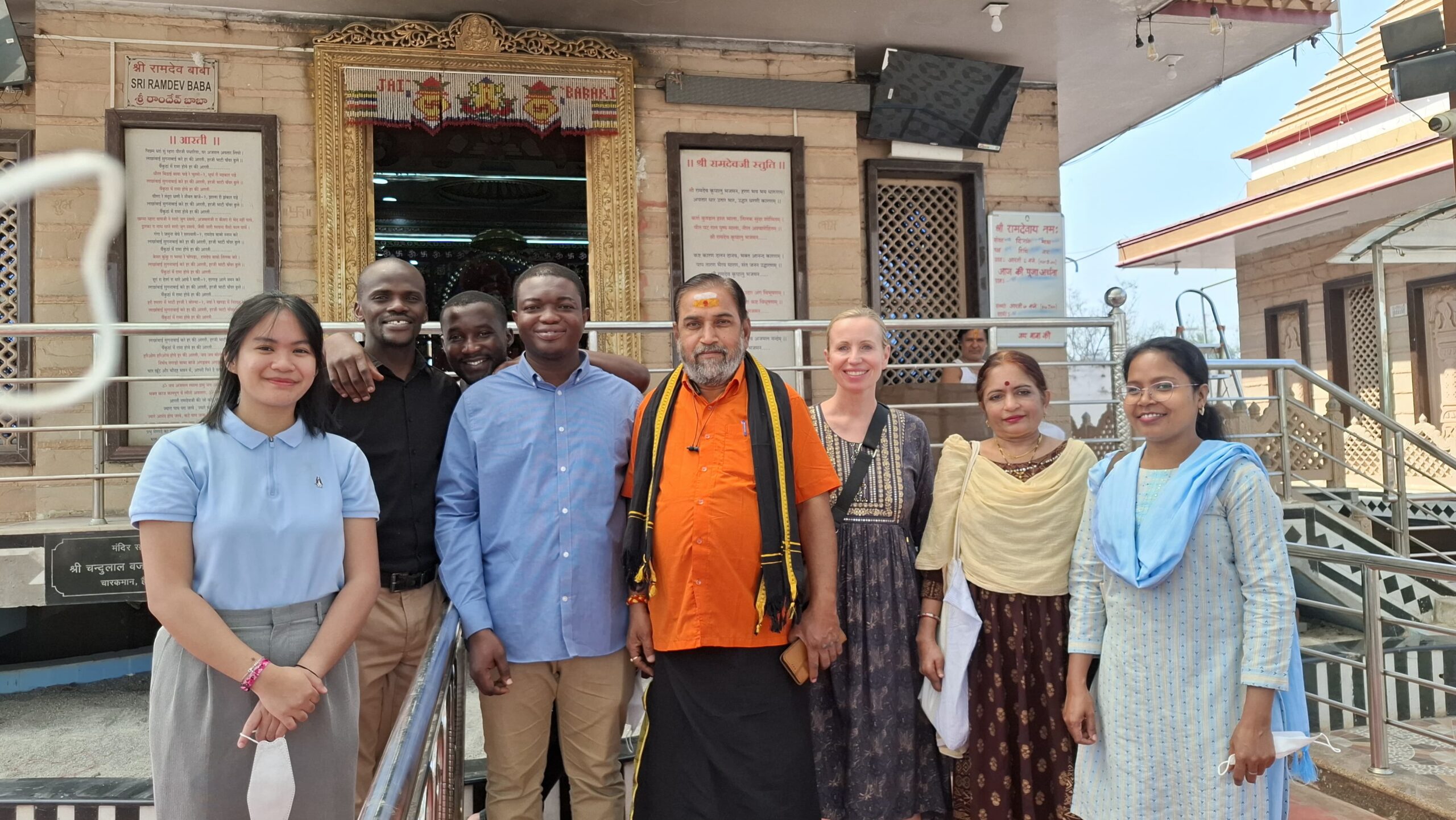
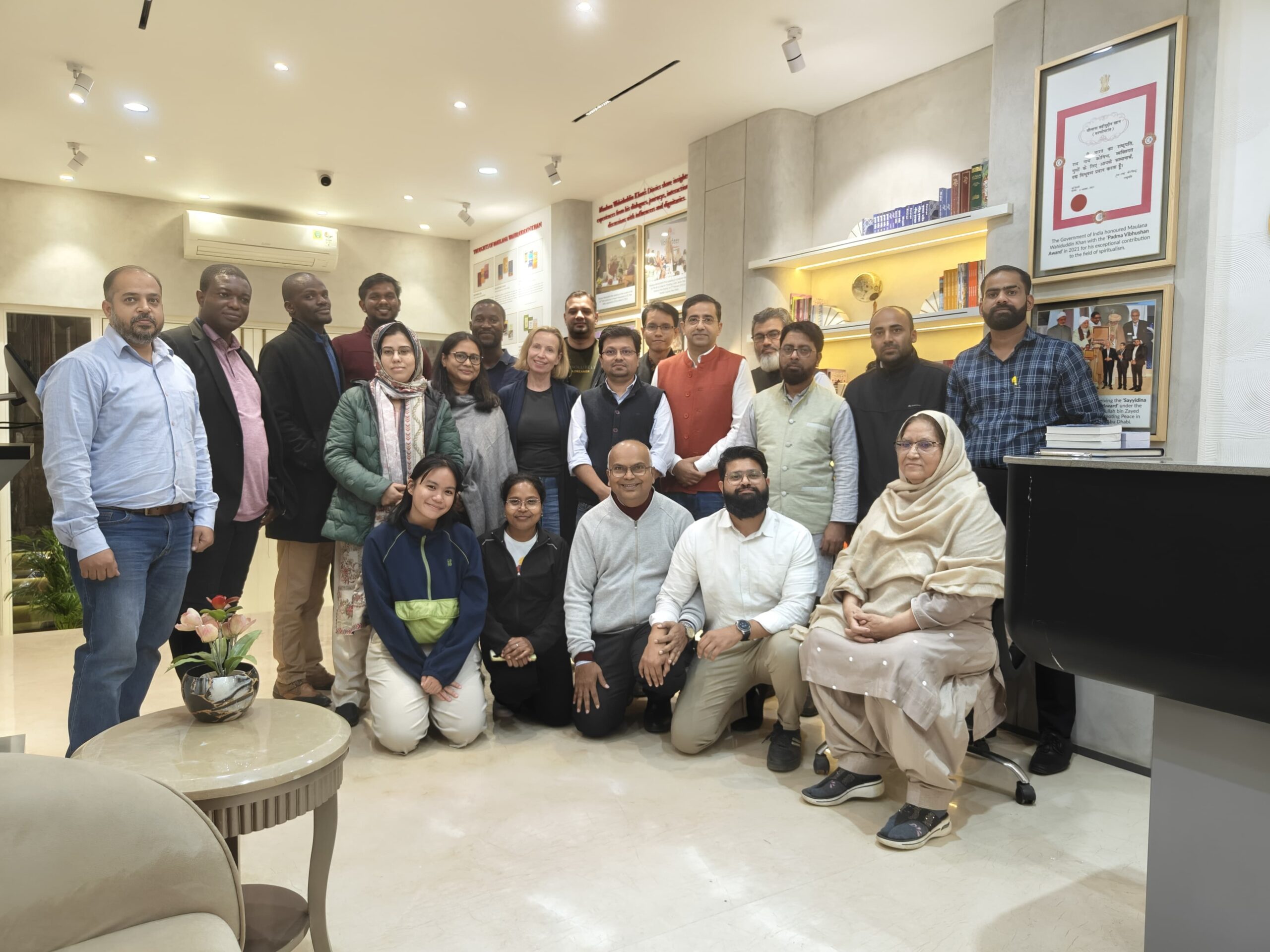
The curriculum offers a broad and critical engagement with key religious traditions and perspectives, including the inculturation of Christianity in Asia, Christianity from an Indian perspective, as well as studies in Hinduism, Islam, and Jainism. Academic learning is complemented by field visits to local places of worship, providing students with valuable insights into lived religious practices and community life.
What is the Henry Martyn Institute?
In collaboration with the Evangelical Mission in Solidarity (EMS), the Henry Martyn Institute (HMI) offers a six-month interreligious study programme in Hyderabad, India.HMI is an ecumenical academic institute with over 96 years of experience in research and teaching, dedicated to interreligious dialogue and religious studies. The programme brings together students from different cultural and academic backgrounds, offering both academic study and practical engagement in a multireligious context.
Why Study at HMI?
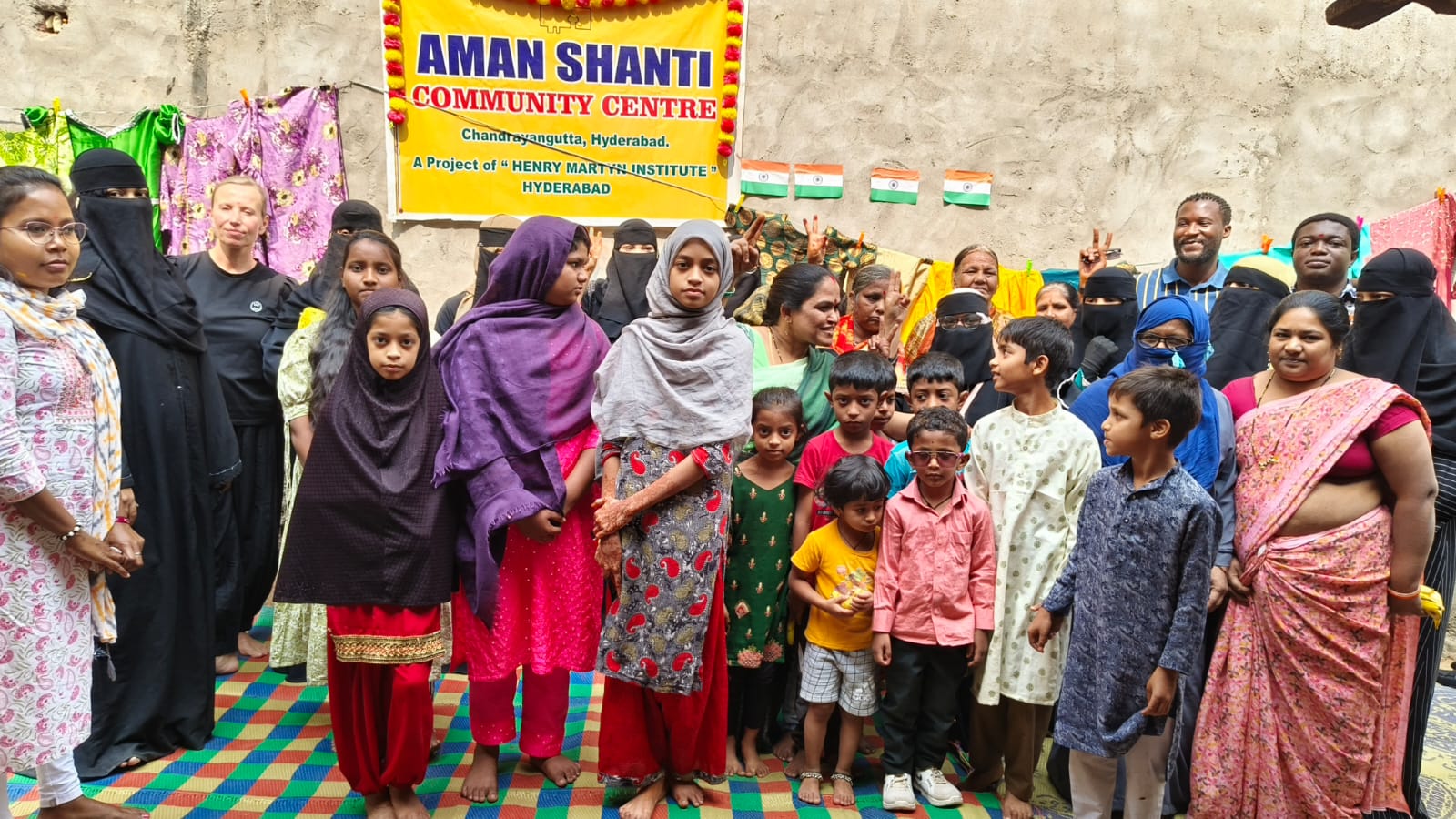
The aim of this study program is to enable participants to better understand their own multireligious context, engage in interreligious learning, and raise awareness in their own churches about the importance of dialogue. Additionally, the program seeks to deepen knowledge about the inculturation of Christianity in Asia, Asian Christian theology, and religions such as Hinduism, Islam, and indigenous religions. Participants also have the opportunity to learn Arabic, Persian, Urdu, and Sanskrit. HMI not only teaches interreligious dialogue but also lives it through the implementation of social projects.
Course Content/Curriculum
- Christianity from an Indian Perspective
- Hinduism
- Islam
- Indigenous/Tribal Religions of India
- Living in a Multireligious Context
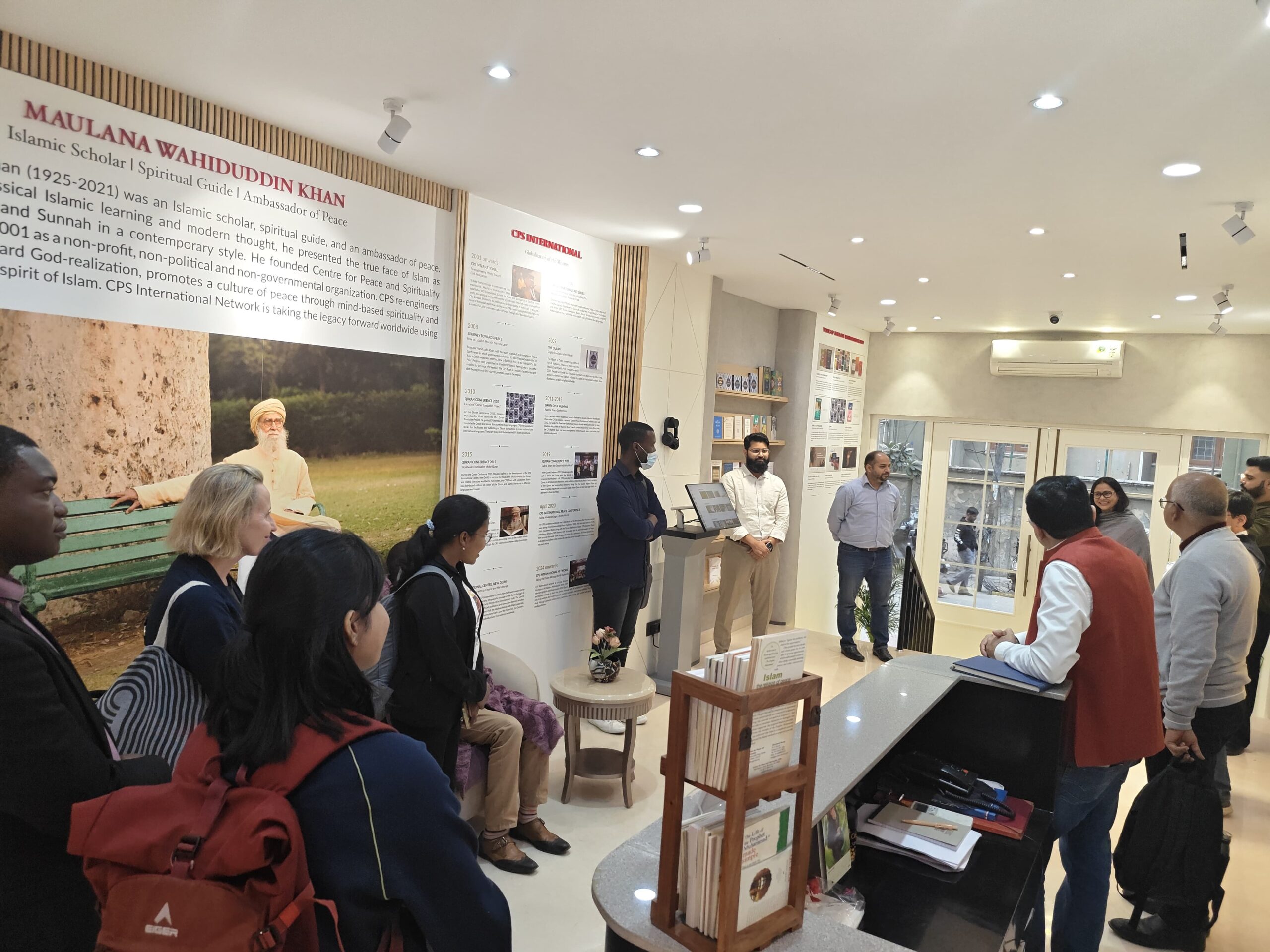
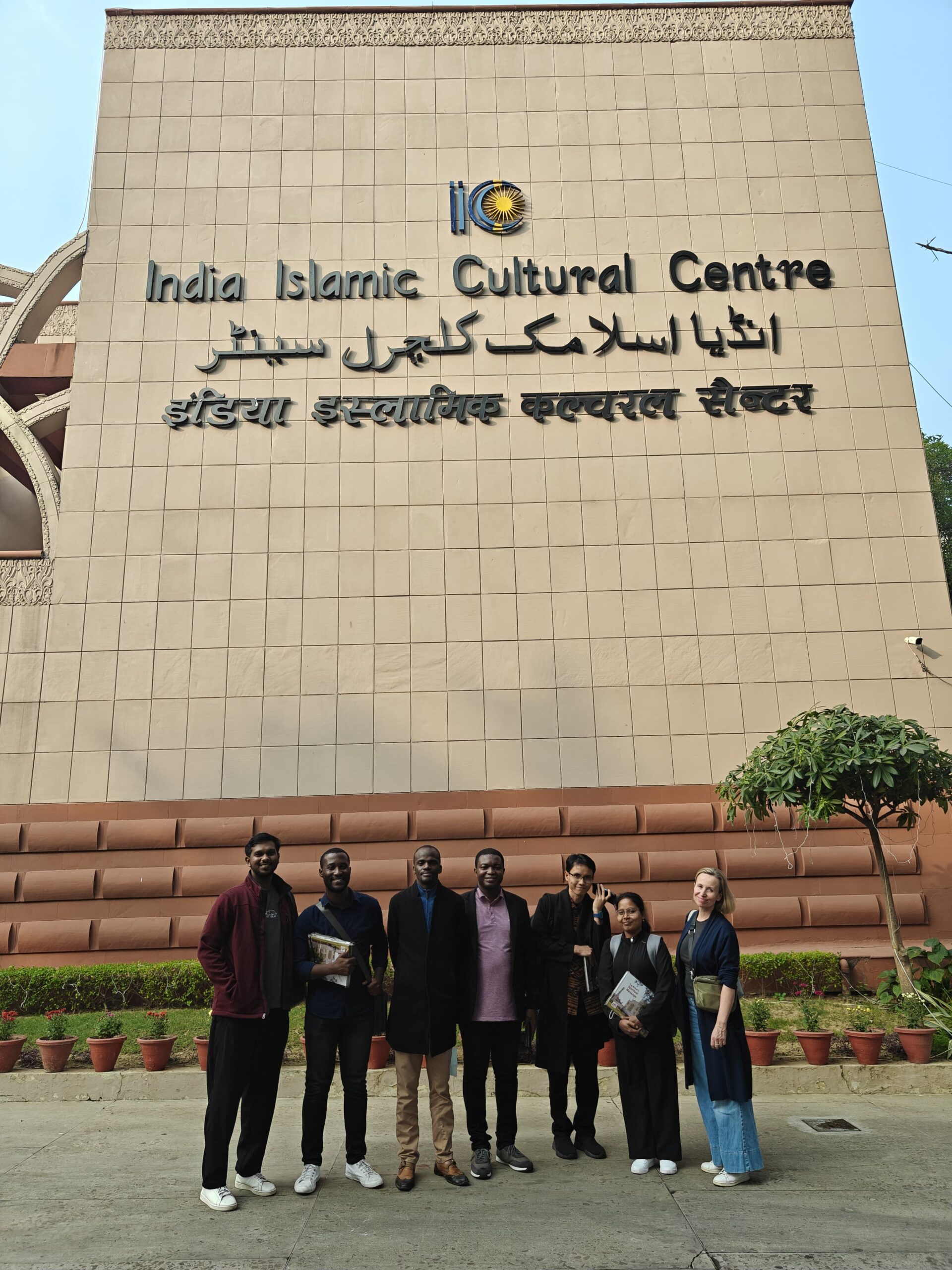
The course includes three months of academic study, two months of internship in a multireligious project, and one month for the final thesis. An excursion program is also included, with visits to Hindu temples, Islamic mosques, Jain shrines, and centers of indigenous religions. Participation in the program earns credit points from the Moulana Azad National Urdu University in Hyderabad.
Learning In an Interreligious Context
Christians in India have always lived in a multireligious context, while Christians in Germany are now faced with this challenge in an increasingly pluralistic, multicultural society. This societal situation in India has led to the creation of theological institutions like the Henry Martyn Institute (HMI) in Hyderabad, which are particularly dedicated to interreligious dialogue and maintaining contacts with representatives of other religions. They offer people from all over the world the opportunity to acquire knowledge and practical experience in an interreligious environment.
Evangelical Mission in Solidarity (EMS)
Lund Missionary Society (LMS)
- Target group: Students of Theology, Religious Education, Religious Studies, and Social Sciences.
- Interest in Asian culture and lifestyle, foreign religious traditions, cross-cultural encounters, and theological questions of interreligious dialogue.
- Good English language skills.
- Openness to the “adventure” of intercultural communication and interreligious encounter.
- Participation in a preparatory and follow-up seminar in Stuttgart.
APPLICATION & SELECTION
The study program begins in September each year and lasts six months. Please send your application in digital form, preferably in a PDF file, to Sabine Marschner: marschner@ems-online.org
Your application must include:
- CV and motivation for applying (in English)
- Copy of high school diploma (Abitur)
- Proof of academic achievements so far
- Recommendation from a university professor
- Reference from your home or local congregation
- Any experiences or activities in intercultural areas should be documented in the application.
Selection is based on your written application and an interview with the EMS selection committee.
Scholarship Opportunities
Scholarships can be applied for through EMS and LMS.
Lund Mission Society (LMS) Scholarship
You can view and apply here: 👉 Apply for LMS Scholarship
The scholarship recipients are selected by the Henry Martyn Institute and the Lund Mission Society together with a Swedish former student at the institute .Please contact Jennifer Schulze is priest in Nacka and student at the Henry Martyn Institute in the academic year 2025–2026
Name: Jennifer Schulze
Email: jennifer.schulze@svenskakyrkan.se
HENRY MARTYN INSTITUTE
6-3-128/1, Beside National Police Academy
Shivarampally, Hyderabad
Telangana, India – 500052
Contact: Director
Email: pa-director@hmi.edu.in
Information Flyer
Interreligious Study Programme in India at Henry Martyn Institute in Hyderabad
(For more details download flyer)
EMS
In collaboration with the
Evangelical Mission in Solidarity (EMS).
(For more details visit website)
LMS
In collaboration with the
Lund Mission Society (LMS).
(For more details visit website)
Testimonial
Former student in the academic year 2025–2026
At HMI I was taught to be a “good guest”, this might seem very easy but I tell you it is far from it. Being a good guest entails leaving your comfort zone and going to another’s sacred space be it a Temple or Mosque or a Gurudwara and or a Monastery, to be respectful while being grounded on your faith. The community at HMI is very inclusive and peaceful given the historical background of violence and misunderstanding. The Hindu people and the struggles of the lower Caste people, some of which I could relate to given the dark history of South Africa, “I am not eloquent nor do I care to be, but my issue is the reality of my generation” this phrase I coined in one of the classes on praxis at HMI.. In the programme I also learnt that one needs to be open about their biases and that helps you to have a meaningful engagement with people of different faiths.

The diploma course at HMI was one of the best things I did in my life so far. I’ve learned so much about relationships, different religions, India, the complexities and at the same time the beauty and richness of multiculturalism, different religions and traditions coexisting side by side. I really recommend this course and HMI to everyone that is curious and want to learn more about life and about them self.

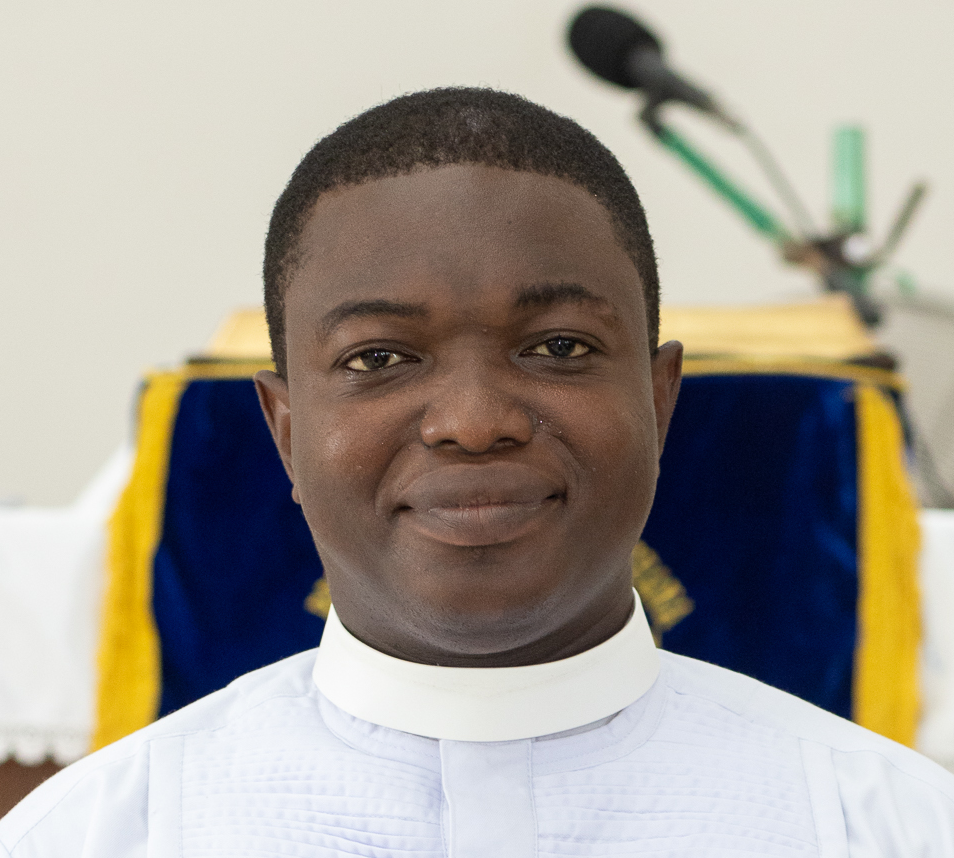
I have experienced interfaith relations in a very practical way at HMI, not merely as an academic program, but as a lived reality. People from diverse faith backgrounds engage in dialogue, fellowship, study, live, work, and dine together, all within an atmosphere of mutual respect and understanding. The program provided me with the valuable opportunity to have direct, face-to-face encounters with individuals from other faiths, particularly Hindus and Muslims. This exposure has helped me overcome certain prejudices, suspicions, and fears I previously held about their beliefs. I am confident that this experience will greatly enhance my ability to relate freely and constructively with people of other faiths in my home country. Furthermore, in my role as Director of Ecumenical and Social Relations for the Ga Presbytery of the Presbyterian Church of Ghana, this program has significantly equipped me to carry out my responsibilities more effectively. It has deepened my understanding of other faiths from their own perspectives, which is essential for meaningful engagement and dialogue within my Presbytery. In summary, HMI provides a unique platform for people of different faiths to meet, interact, and build genuine relationships. I highly recommend HMI to anyone interested in interfaith studies. Beyond academic insight, the program offers practical experience in living harmoniously with people of diverse religious backgrounds.